Uganda Safari from USA
October 27, 2026Uganda Gorilla Trekking from UK
October 29, 2026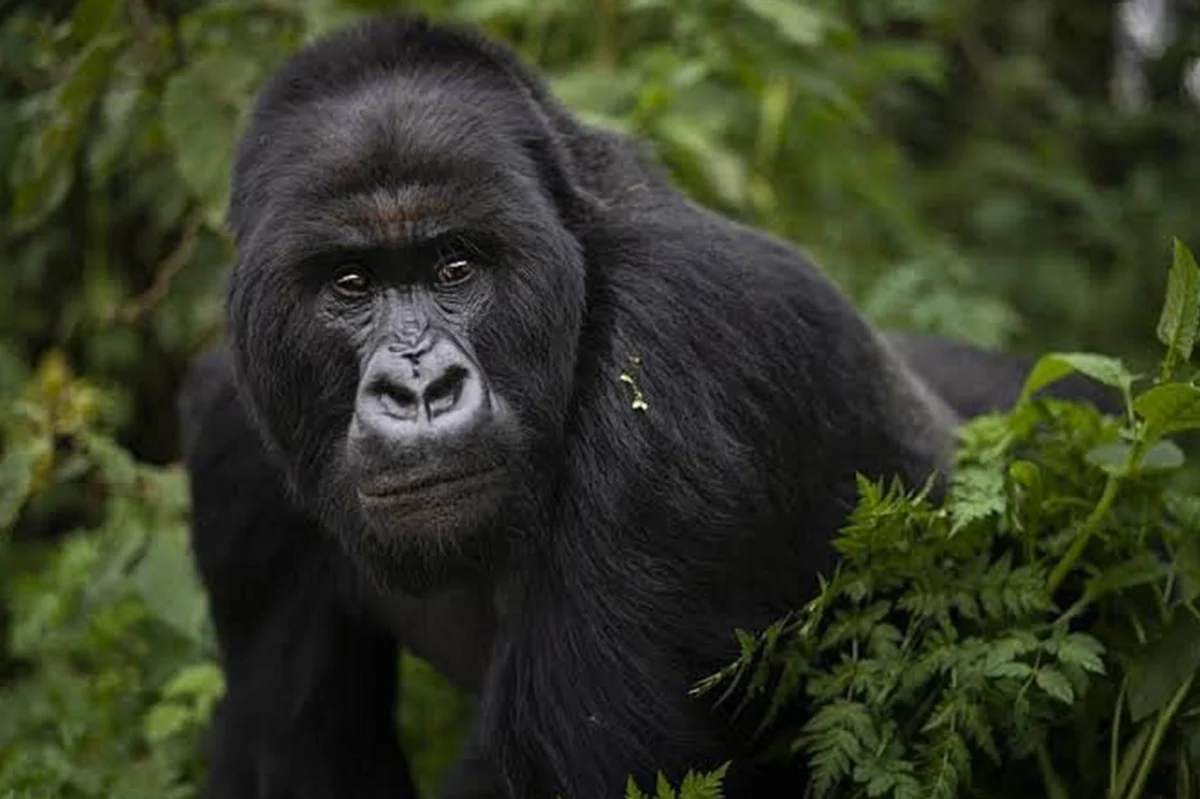
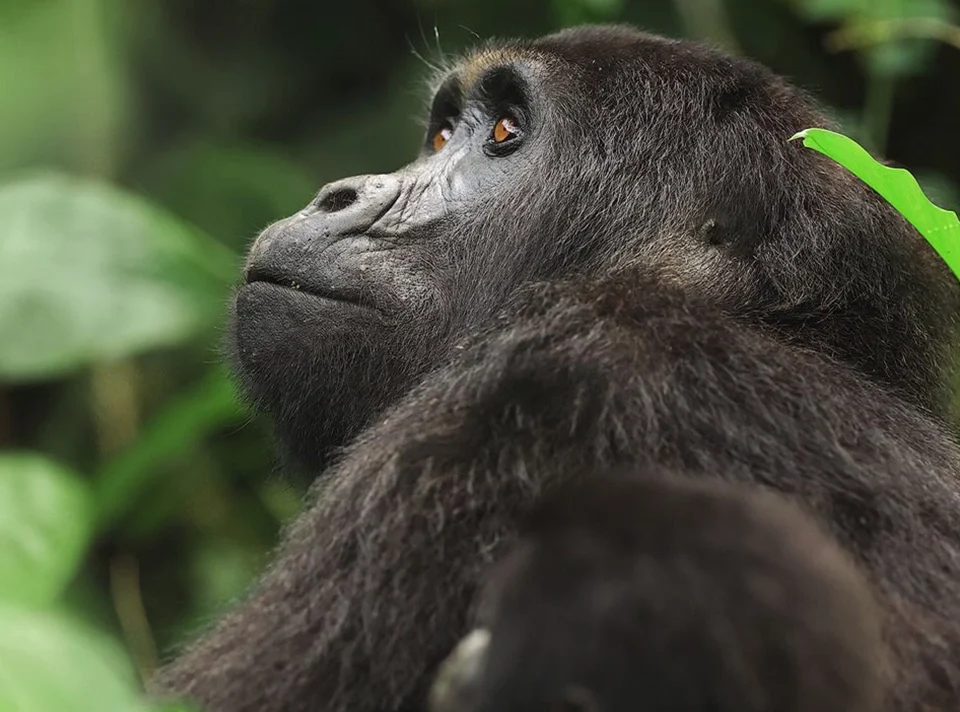
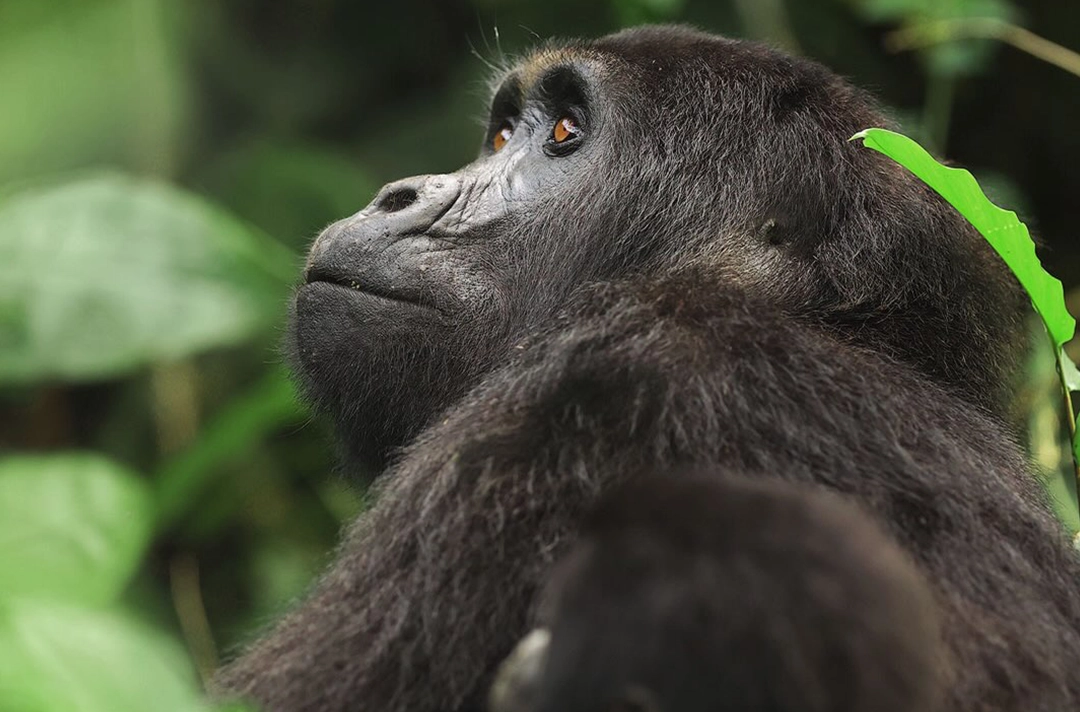
A Uganda gorilla trekking vacation offers one of Africa’s most extraordinary wildlife experiences: encountering endangered mountain gorillas in their natural rainforest habitat. Located in East Africa, Uganda is home to some of the world’s most important mountain gorilla populations, protected within Bwindi Impenetrable National Park and Mgahinga Gorilla National Park. These destinations attract travellers seeking intimate wildlife encounters, beautiful scenery, and meaningful conservation experiences.
Beyond gorilla trekking, Uganda offers opportunities to explore diverse landscapes, discover local cultures, track chimpanzees, and enjoy traditional wildlife safaris. Whether you are planning a short gorilla trekking trip or a longer adventure combining several national parks, Uganda provides a memorable destination for nature lovers, photographers, couples, and adventurous travellers.
Where to Go Gorilla Trekking in Uganda
Bwindi Impenetrable National Park
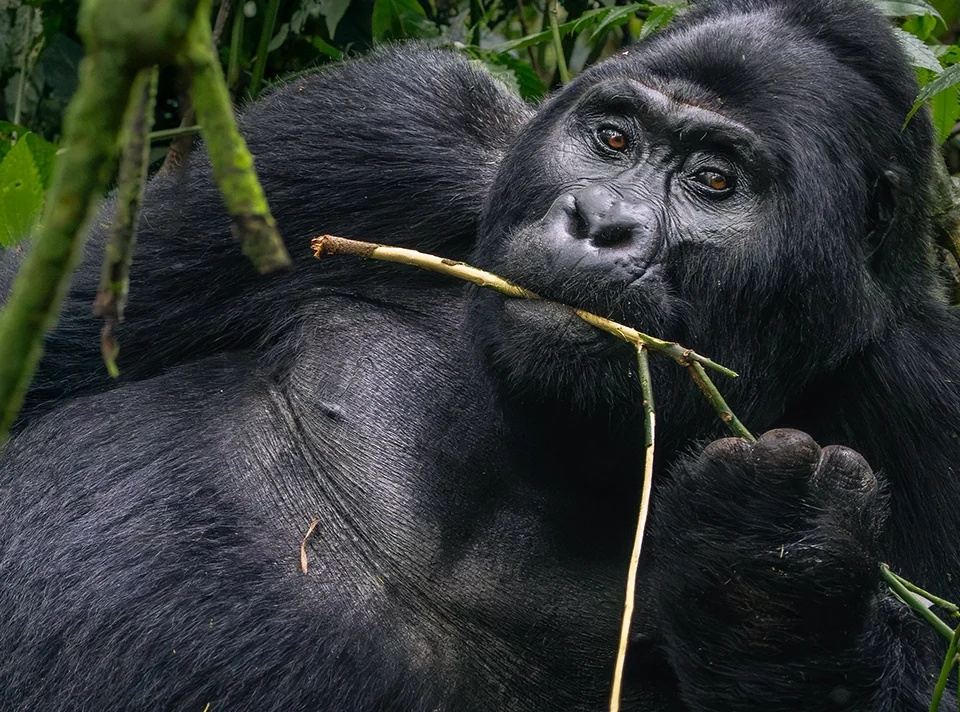
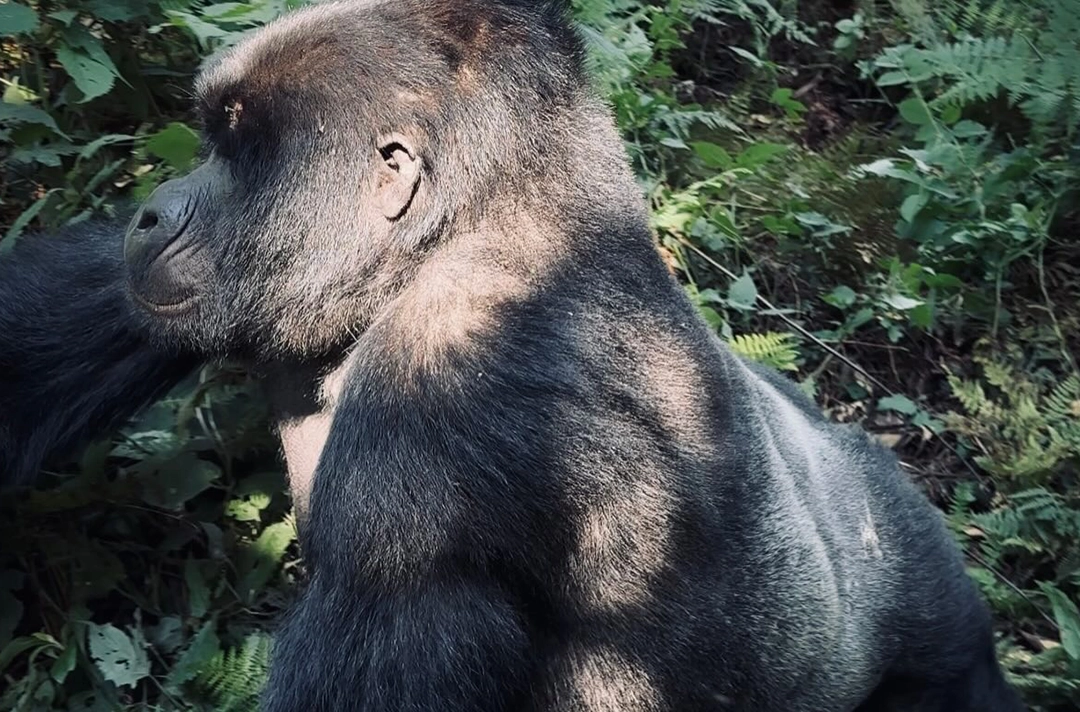
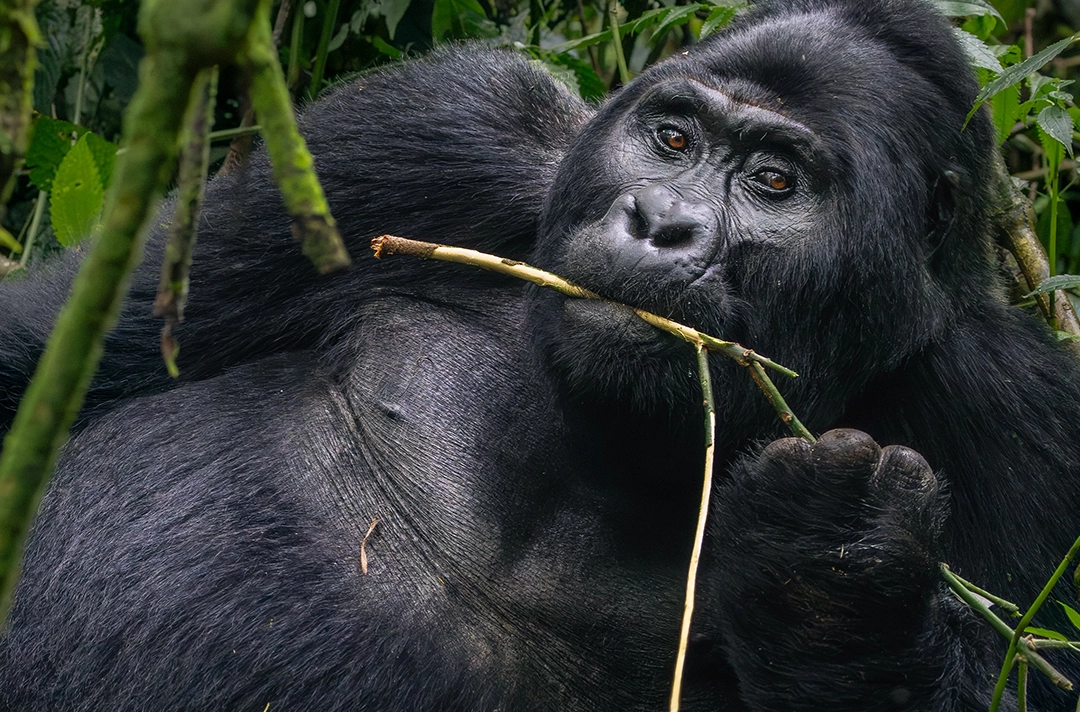
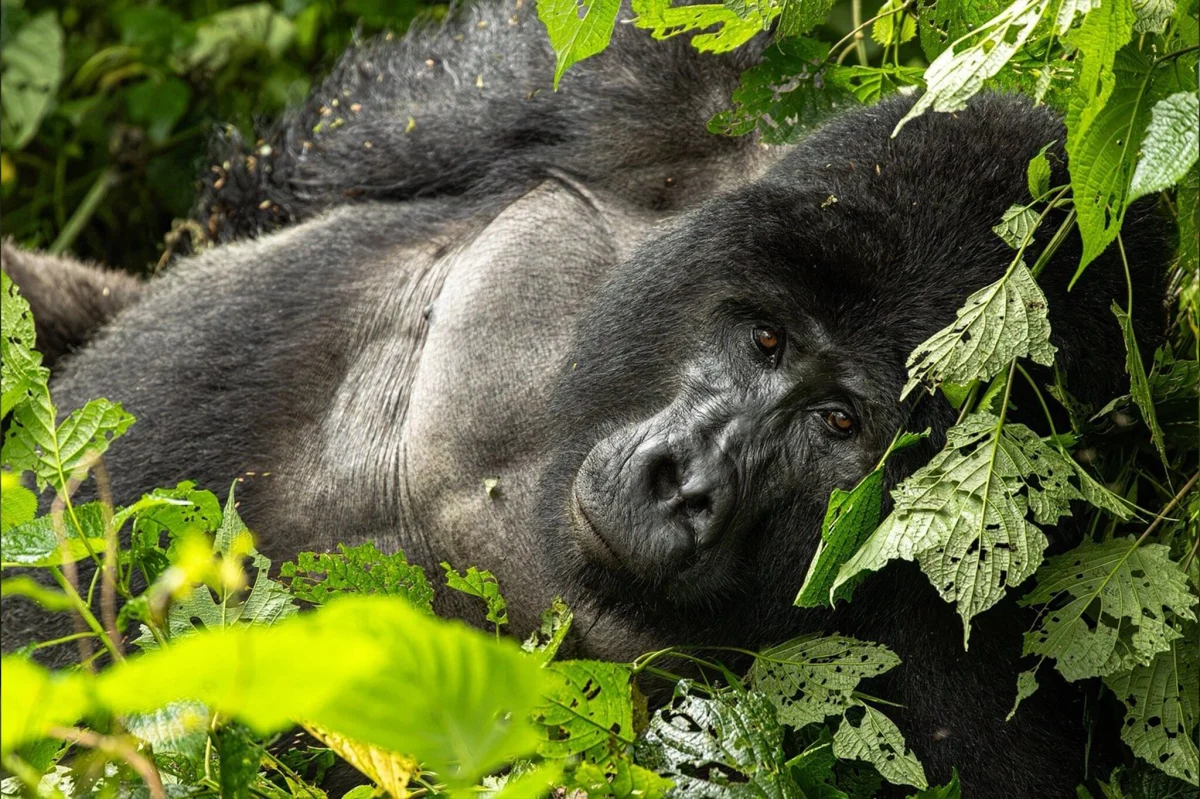
Bwindi Impenetrable National Park is Uganda’s leading destination for mountain gorilla trekking. Its ancient rainforest shelters numerous habituated gorilla families, allowing visitors to participate in guided treks led by trained park rangers and trackers. The forest’s steep terrain, dense vegetation, and rich biodiversity create an exciting adventure, with the reward of observing gorillas feeding, grooming, resting, and interacting within their family groups.
Bwindi is divided into four main trekking sectors: Buhoma, Ruhija, Rushaga, and Nkuringo. Each sector has its own accommodation options and access routes, so choosing the right one is important when planning your trip. Your accommodation and transport should correspond with the sector where your gorilla permit is booked.
Mgahinga Gorilla National Park
Mgahinga Gorilla National Park offers another opportunity to encounter mountain gorillas in Uganda. Located in the Virunga volcanic region, the park features dramatic mountain scenery, bamboo forests, and beautiful views of the surrounding volcanic landscape. Gorilla trekking here provides a distinctive experience for visitors who want to combine primate encounters with hiking and nature exploration.
The park also offers golden monkey tracking, making it an appealing option for travellers interested in seeing different primate species. Because trekking opportunities and permit availability are limited, it is advisable to organise your activities in advance.
What to Expect During a Uganda Gorilla Trekking Vacation
Your gorilla trekking experience usually begins early in the morning with breakfast at your lodge before travelling to the park headquarters. After registration and a briefing from park rangers, visitors are assigned to a gorilla family and receive instructions on trekking procedures, safety, and responsible wildlife viewing.
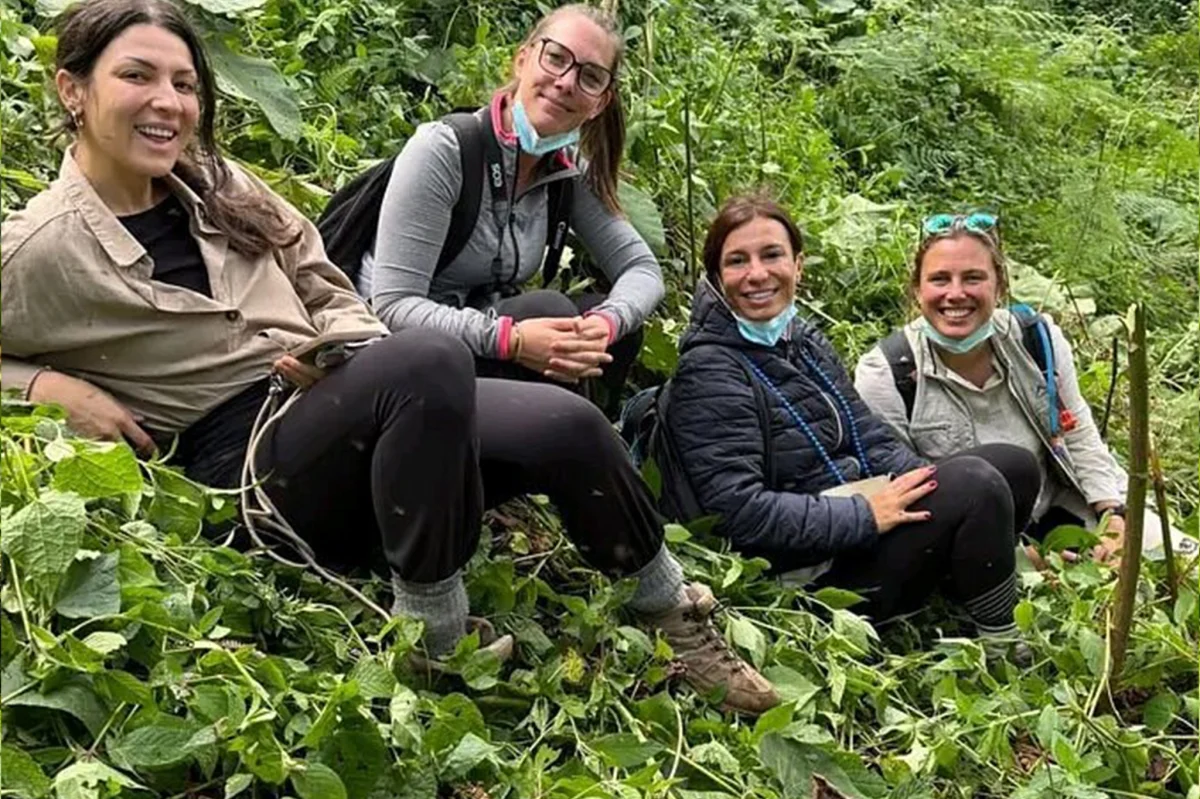
The trek takes place through forest trails that may include steep slopes, thick vegetation, muddy ground, and uneven terrain. The time required to locate the gorillas varies according to their movements and location. Once the family is found, visitors are generally allowed a regulated period of observation, traditionally one hour for a standard gorilla trekking experience, subject to current park rules.
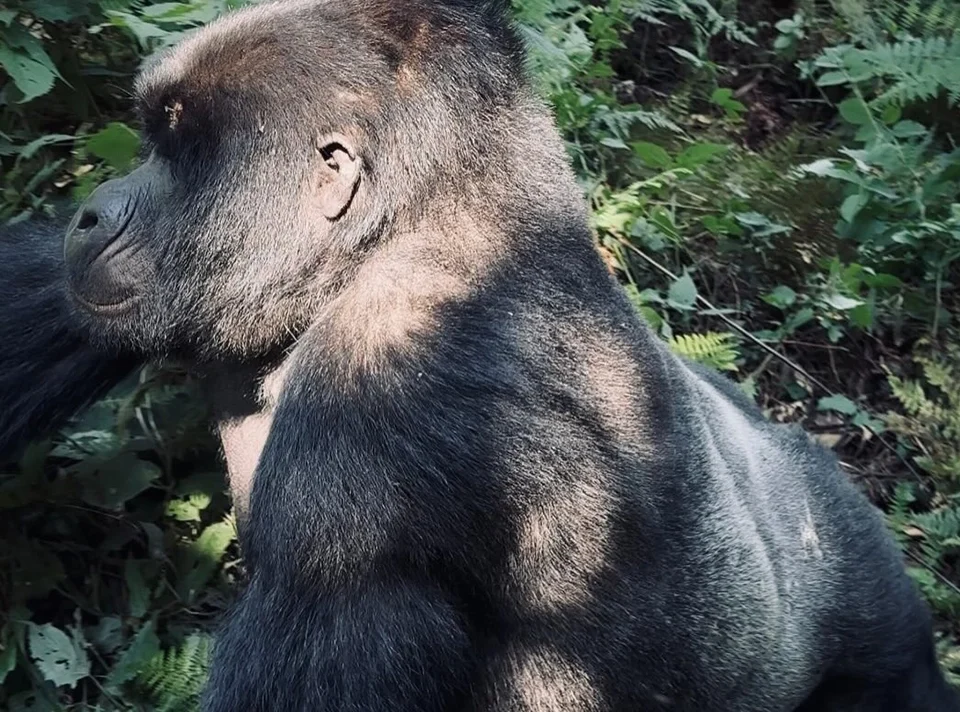
During this encounter, you may observe young gorillas playing, adults feeding, or a dominant silverback watching over the group. Rangers explain gorilla behaviour and conservation while ensuring visitors follow the rules designed to protect both people and wildlife. Although sightings are highly anticipated, trekking requires patience, and the experience is part of the adventure.
Best Time for a Uganda Gorilla Trekking Vacation
Uganda offers gorilla trekking throughout the year, but the drier periods are often preferred because forest trails may be easier to navigate. June to September and December to February are generally popular months for trekking, wildlife viewing, and combining gorillas with other safari activities.
Rain is possible even during the drier seasons because Bwindi and Mgahinga are mountainous rainforest environments. March to May and October to November tend to bring more rainfall in many areas, which can make trails muddier and hiking more challenging. However, the forests remain beautiful, and travellers may find suitable accommodation and travel arrangements during these periods.
The best time for your vacation depends on your schedule, budget, preferred activities, and permit availability. Booking early is particularly important if you have fixed dates or want to stay at a specific lodge.
Uganda Gorilla Trekking Permits and Costs
A gorilla trekking permit is required to participate in a guided mountain gorilla trek in Uganda. Permits are limited to help regulate visitor numbers and protect the gorillas and their habitat. They should be secured before finalising the rest of your itinerary, especially during popular travel periods.
Uganda’s published standard permit rate for foreign non-residents has been US$800 per person, but prices and eligibility categories can change. Confirm the current rate with the Uganda Wildlife Authority or an authorised booking provider before making payment. A standard permit covers the regulated gorilla trekking experience but does not automatically include accommodation, meals, transport, or other safari activities.
The overall cost of a Uganda gorilla trekking vacation depends on the number of travellers, trip duration, accommodation category, transport arrangements, and additional activities. Budget trips may use simpler accommodation, while midrange and luxury vacations offer greater comfort, private transport, and premium lodges. International flights, visas, insurance, tips, and personal expenses should also be included in your travel budget.
Best Uganda Gorilla Trekking Vacation Packages
Accommodation During Your Gorilla Trekking Vacation
Uganda offers accommodation options for different budgets, from simple guesthouses and comfortable safari lodges to luxury forest retreats. In Bwindi, many properties are situated near the park’s trekking sectors, providing convenient access to early-morning briefings and forest activities. Some lodges also offer beautiful views of forested hills and surrounding valleys.
When selecting accommodation, consider its location in relation to your gorilla permit, the standard of rooms, meals, transport arrangements, and available facilities. Staying near the correct trekking sector can reduce early-morning travel and make the experience more comfortable. For luxury travellers, premium lodges provide personalised services and scenic settings, while budget-conscious visitors can choose simpler properties without sacrificing access to the trekking experience.
What to Pack for Gorilla Trekking in Uganda
Appropriate clothing and equipment can make your trek more comfortable. Pack sturdy hiking boots with good grip, long trousers, long-sleeved shirts, and a lightweight waterproof jacket. The forest can be humid, muddy, and uneven, so clothing should protect you from vegetation and changing weather. Gardening gloves can also help protect your hands when holding vegetation for balance, where permitted by your guide.
Other useful items include insect repellent, sunscreen, a hat, drinking water, snacks if recommended by your operator, a small daypack, and a camera with spare batteries. Bring any personal medication you may need and consider a walking stick, which may be available through your lodge or local guides. Keep your equipment manageable, and follow your ranger’s instructions throughout the trek.
Fitness and Preparation for Gorilla Trekking
Gorilla trekking involves walking through a natural forest environment where terrain and distances vary considerably. Some treks are relatively short, while others may require several hours of hiking over steep and slippery ground. Building general fitness through regular walking, stair climbing, or gentle hikes before your trip can help you prepare.
Choose comfortable, well-fitting hiking boots and allow time to break them in before travelling. Inform your tour operator of any mobility concerns or physical limitations when planning your trip so they can explain the available options and likely demands. Although trackers help locate the gorillas, the hike itself remains an outdoor adventure, and flexibility is important.
Gorilla Trekking Rules and Responsible Tourism
Responsible gorilla trekking helps protect endangered mountain gorillas and supports the conservation of their habitat. Visitors must follow the instructions of park rangers, maintain the required distance from gorillas, avoid touching them, and never feed or provoke the animals. Anyone who feels unwell should follow the park’s current health guidance, as human illnesses can pose a risk to gorillas.
Visitors should also avoid littering, respect the forest environment, and follow the rules governing photography and behaviour around wildlife. Choosing a reputable tour operator and supporting responsible community tourism can help ensure that local people benefit from conservation and tourism activities. Respectful travel contributes to the long-term protection of Uganda’s mountain gorillas.
Combining Gorilla Trekking with Other Uganda Experiences
A gorilla trekking vacation can be extended to include some of Uganda’s other outstanding attractions. Queen Elizabeth National Park offers game drives and boat trips along the Kazinga Channel, while Kibale Forest is known for chimpanzee tracking. Murchison Falls National Park combines wildlife viewing with spectacular views of the Nile River and its powerful waterfall.
Travellers who prefer scenery and cultural experiences can visit Lake Bunyonyi, explore local communities around the gorilla trekking regions, or include other destinations based on their available time. Combining several experiences creates a more comprehensive Uganda safari, allowing you to appreciate the country’s wildlife, landscapes, and cultural diversity.
Travel Requirements for Visiting Uganda
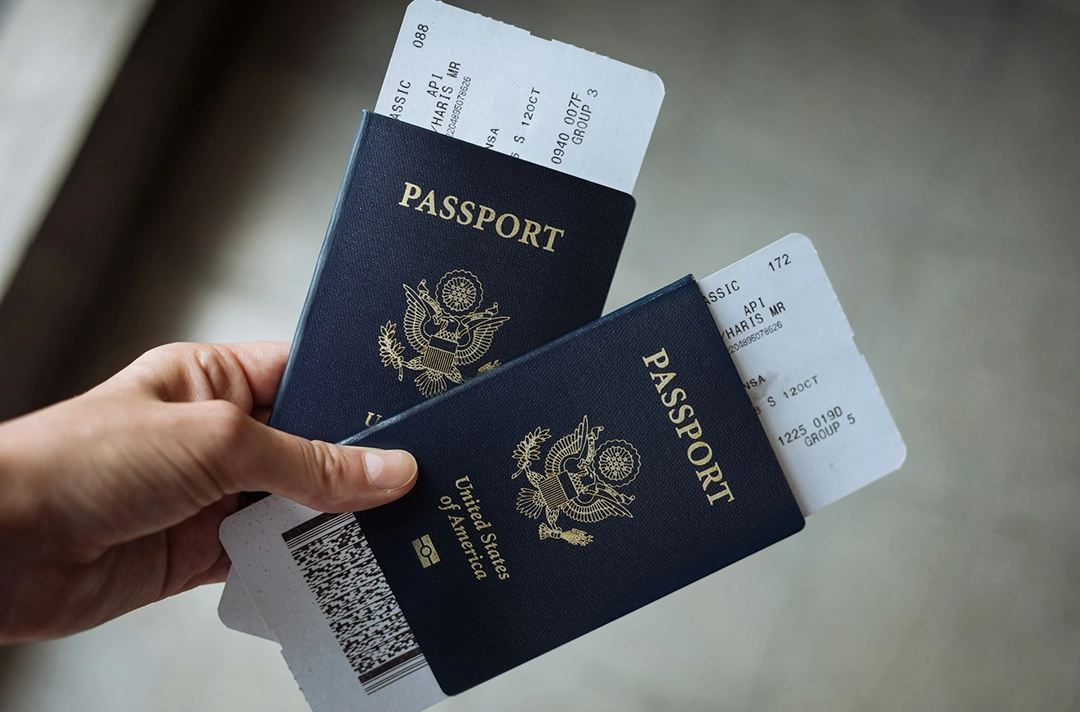
Before travelling, check the latest Ugandan visa and passport requirements through official government channels. Travellers arriving from abroad should also verify current yellow fever entry rules and consult a qualified travel-health professional about recommended vaccinations and malaria prevention. Requirements may depend on your nationality, travel history, and route.
Comprehensive travel insurance is strongly recommended, including cover for medical treatment, emergency evacuation, and trip interruptions. Keep copies of important travel documents, confirm your international flights and transfers, and share your itinerary with your tour operator before departure. Preparing these details in advance helps minimise avoidable disruptions during your vacation.
Frequently Asked Questions About Uganda Gorilla Trekking Vacations
How many days do I need for gorilla trekking in Uganda?
A three-day trip can work for a focused gorilla trekking experience, depending on your starting point and transport arrangements. Four to seven days provides more flexibility for scenic stops, cultural activities, or wildlife viewing in nearby national parks.
Is gorilla trekking in Uganda worth it?
For many wildlife enthusiasts, gorilla trekking is a once-in-a-lifetime experience. Observing endangered mountain gorillas in their natural habitat offers a unique opportunity to appreciate their behaviour, social structure, and conservation needs.
Can I see gorillas in both Uganda and Rwanda?
Yes. Uganda and Rwanda both offer mountain gorilla trekking experiences. Uganda’s main trekking destinations are Bwindi Impenetrable National Park and Mgahinga Gorilla National Park, while Rwanda offers trekking in Volcanoes National Park. Travellers can compare permit costs, travel times, accommodation, and itinerary options when choosing a destination.
Is gorilla trekking suitable for beginners?
Many first-time visitors participate successfully in gorilla trekking, but the hike can be physically demanding. The difficulty depends on terrain, weather, and the location of the gorilla family. Suitable footwear, preparation, and guidance from park rangers can help make the experience more manageable.
How far in advance should I book my gorilla trekking vacation?
Booking several months ahead is advisable, especially for peak travel periods or specific trekking sectors and lodges. Confirming permit availability early helps you build the rest of your itinerary around your trekking date.
Plan Your Uganda Gorilla Trekking Vacation
A Uganda gorilla trekking vacation brings you face-to-face with one of the world’s most remarkable wildlife species while introducing you to the country’s lush rainforests, scenic landscapes, and welcoming communities. Whether you choose a short gorilla trekking trip or a longer safari combining primates and wildlife, careful planning will help you make the most of your time in Uganda.
Start by choosing your preferred trekking destination, confirming permit availability, and selecting accommodation near your assigned sector. With the right arrangements, your journey can become an unforgettable adventure filled with extraordinary wildlife encounters and meaningful travel experiences.
Ready to plan your Uganda gorilla trekking vacation? Contact our safari team to discuss your travel dates, permits, accommodation, and preferred activities. We can help tailor a Uganda safari to your budget, schedule, and interests.