Uganda gorilla trekking vacation
October 29, 2026
Uganda Gorilla Safari from France
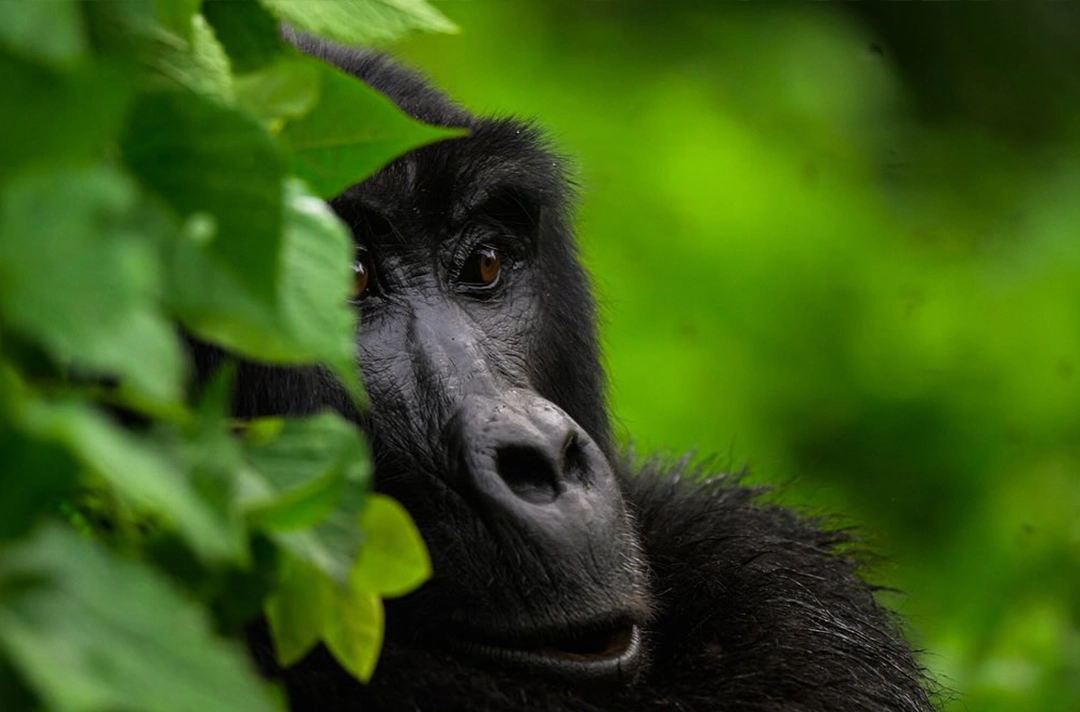
October 30, 2026Uganda gorilla trekking from the UK offers an extraordinary opportunity to encounter endangered mountain gorillas in their natural rainforest habitat. Located in East Africa, Uganda is one of the world’s leading destinations for gorilla trekking, attracting travellers who want to experience remarkable wildlife, beautiful landscapes, and authentic cultural encounters. The country’s main trekking destinations, Bwindi Impenetrable National Park and Mgahinga Gorilla National Park, provide unforgettable opportunities to observe mountain gorillas in protected forests.
For British travellers, a Uganda gorilla trekking holiday can be arranged as a short wildlife adventure or combined with a longer safari featuring chimpanzee tracking, game drives, boat trips, and cultural experiences. With careful planning, you can organise international flights, secure a gorilla trekking permit, choose suitable accommodation, and create an itinerary that fits your budget and travel dates.
Why Choose Uganda for Gorilla Trekking from the UK?
Uganda is an appealing destination for British travellers because it combines mountain gorilla trekking with a wide range of other wildlife and nature experiences. Visitors can explore ancient rainforests, enjoy scenic drives through the countryside, discover local communities, and visit national parks with diverse wildlife. This makes Uganda particularly attractive to travellers who want more than a single wildlife encounter.
Compared with a gorilla-only trip, a longer Uganda safari allows you to experience different parts of the country at a comfortable pace. You can combine gorilla trekking with chimpanzee tracking in Kibale Forest, wildlife viewing in Queen Elizabeth National Park, or a visit to Murchison Falls National Park. Uganda’s variety of landscapes and activities makes it suitable for couples, solo travellers, photographers, and adventure enthusiasts.
Where to Go Gorilla Trekking in Uganda
Bwindi Impenetrable National Park
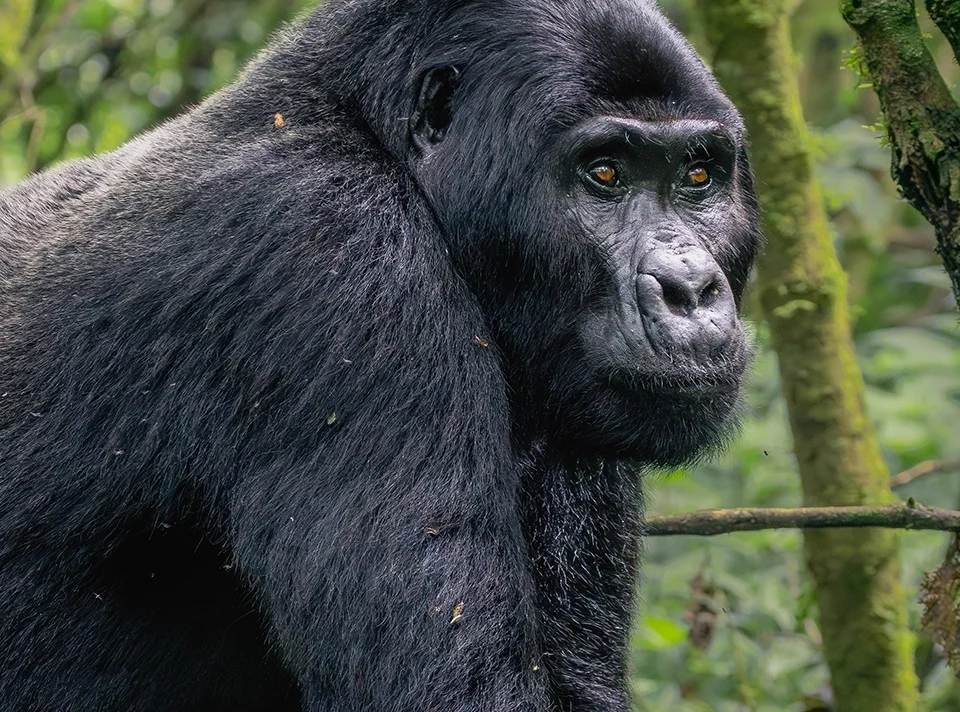
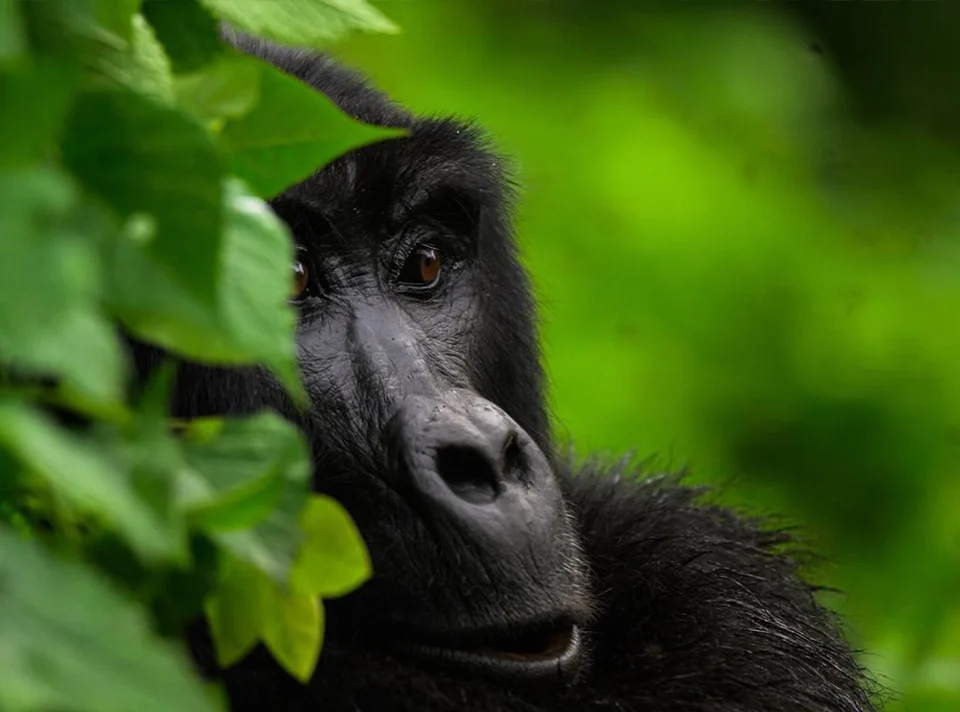
Bwindi Impenetrable National Park is Uganda’s principal mountain gorilla trekking destination. This UNESCO World Heritage Site protects an ancient rainforest with exceptional biodiversity and a significant population of mountain gorillas. Visitors trek through thick vegetation, steep slopes, and forest trails with trained guides and trackers to locate a habituated gorilla family.
Bwindi has four main gorilla trekking sectors: Buhoma, Ruhija, Rushaga, and Nkuringo. Each offers access to different habituated gorilla families and a range of nearby accommodation. When booking your safari, it is important to match your lodge and transport arrangements to the sector where your permit is confirmed. This helps reduce unnecessary travel on the morning of your trek.
Mgahinga Gorilla National Park
Mgahinga Gorilla National Park is another excellent destination for mountain gorilla trekking in Uganda. Situated in the Virunga volcanic region, the park features bamboo forests, dramatic volcanic scenery, and beautiful mountain views. Its smaller scale and distinctive landscapes make it an appealing alternative for travellers seeking a combination of primate encounters and mountain scenery.
Mgahinga also offers golden monkey tracking, allowing visitors to explore another fascinating primate habitat. Because gorilla trekking opportunities are limited, travellers should confirm permit availability before finalising their travel plans and accommodation.
What to Expect During a Gorilla Trekking Experience
A typical gorilla trekking day begins early with breakfast at your lodge before you travel to the park headquarters. After registration and a briefing, park rangers explain the trekking rules, safety precautions, and responsible wildlife-viewing practices. Visitors are then assigned to a gorilla family and guided into the forest by experienced rangers and trackers.
The hike may take a relatively short time or several hours, depending on where the gorillas are located. Trails can be steep, muddy, and uneven, so good physical preparation and appropriate footwear are important. Once the gorilla family is found, visitors are generally allowed one hour to observe the animals under standard trekking rules, subject to current park regulations.
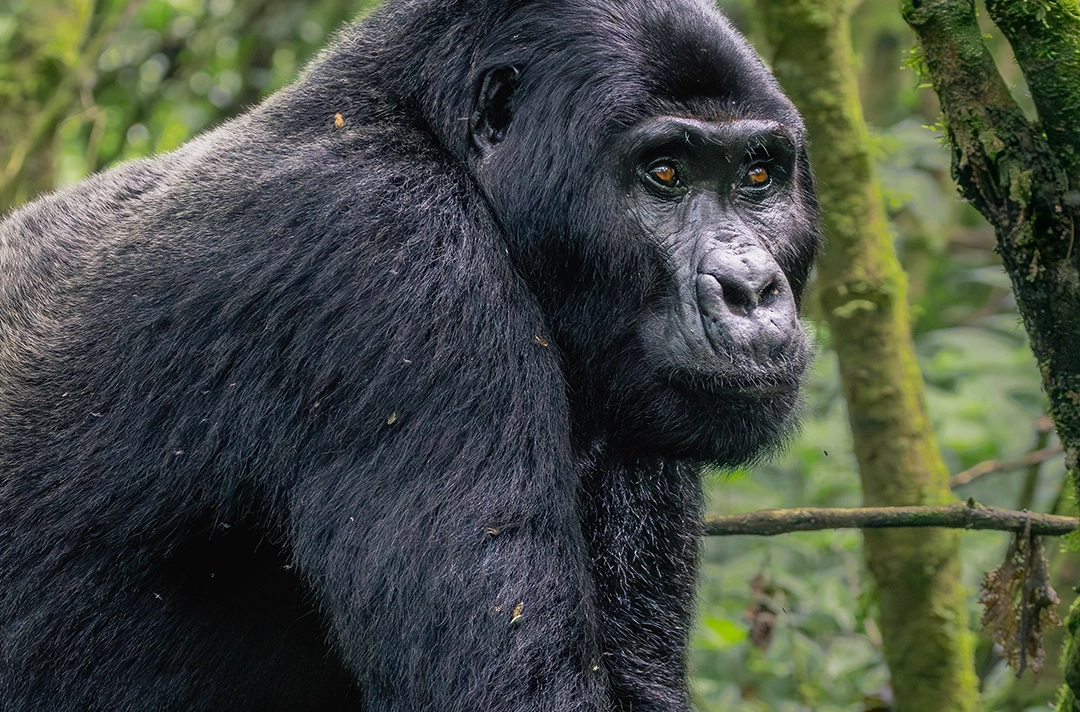
During this encounter, you may see gorillas feeding, grooming, resting, or caring for their young. Watching a silverback supervise its family or seeing young gorillas play in the forest can be a powerful experience. Rangers help visitors understand gorilla behaviour while ensuring that the encounter remains respectful and safe for both people and wildlife.
Flights from the UK to Uganda
Most British travellers arrive at Entebbe International Airport, Uganda’s main international gateway. Depending on the airline and departure airport, flights from London and other UK cities may operate directly or through connecting hubs. Available routes, schedules, and journey times vary, so compare current options before booking.
When selecting your flight, consider the total journey time, baggage allowance, connection duration, and arrival time in Uganda. Arriving at least one day before a demanding gorilla trek is a sensible choice, as it gives you time to recover from the journey and reduces the risk of flight delays affecting your trekking arrangements.
After arriving at Entebbe, your tour operator can arrange an airport transfer and overnight accommodation. Travelling by road to Bwindi or Mgahinga takes several hours and depends on your starting point, route, and road conditions. Domestic flights to nearby airstrips may reduce travel time, although availability, luggage restrictions, and onward transfers must be considered.
Best Time for Uganda Gorilla Trekking from the UK
Uganda offers gorilla trekking throughout the year, but some months are generally more convenient for hiking and combining trekking with other safari activities. The drier periods, usually June to September and December to February, are popular because forest trails may be easier to navigate. These periods can also work well for British travellers planning summer holidays or escaping the UK winter.
Rain can occur at any time in Uganda’s tropical mountain forests, including during the drier seasons. March to May and October to November often bring more rainfall in many areas, making trails muddier and some hikes more challenging. However, the scenery remains lush, and trekking continues when conditions permit.
The best time for your trip depends on your available holiday dates, preferred activities, accommodation choices, and permit availability. If you are travelling during UK school holidays, Christmas, or other busy periods, booking your permit and lodge well in advance is recommended.
Uganda Gorilla Trekking Permits and Costs
A gorilla trekking permit is compulsory for visitors who want to participate in a guided trek in Uganda. Permits are limited to help manage visitor numbers and protect the gorillas and their habitat. Because demand can be high during popular travel periods, British travellers should confirm permit availability before committing to non-refundable flights or accommodation.
Uganda’s published standard gorilla trekking permit rate for foreign non-residents has been US$800 per person. However, permit rates and eligibility categories can change, so confirm the current price with the Uganda Wildlife Authority or an authorised booking provider before payment. The standard permit covers the regulated trekking experience but does not automatically include international flights, accommodation, meals, ground transport, or additional safari activities.
The total cost of a Uganda gorilla trekking holiday depends on trip duration, accommodation standards, group size, transport, and the activities included. Budget trips generally use simpler accommodation, while midrange and luxury holidays offer greater comfort and more personalised services. Other expenses may include airport transfers, park fees, travel insurance, visas, tips, and personal purchases.
For an accurate quotation, request a detailed breakdown showing what is included and excluded. Booking early and travelling with companions can help you manage some costs, particularly accommodation and private transport.
Accommodation for British Travellers
Uganda offers accommodation for a wide range of budgets, from simple guesthouses and comfortable safari lodges to luxury forest retreats. In Bwindi, many properties are located near the gorilla trekking sectors, providing convenient access to early-morning briefings and forest activities. Some lodges also offer beautiful views of forested hills and surrounding valleys.
When choosing accommodation, consider the distance to your assigned trekking sector, meal arrangements, room facilities, and available transport. Staying near the correct sector can make the trekking day easier and more comfortable. If you are planning a luxury holiday, you can select premium lodges with personalised service, scenic settings, and additional amenities.
What to Pack for Gorilla Trekking in Uganda
Packing suitable clothing and equipment is essential for a comfortable trekking experience. Bring sturdy hiking boots with good grip, long trousers, long-sleeved shirts, and a lightweight waterproof jacket. The forest can be humid, muddy, and uneven, so practical clothing will help protect you from rain, vegetation, and rough terrain. Gardening gloves can also be useful when holding vegetation for balance, where appropriate.
Other useful items include insect repellent, sunscreen, a hat, drinking water, a small daypack, personal medication, and a camera with spare batteries. A walking stick may help on steep trails and may be available through your lodge or local guides. Keep your belongings manageable and follow the ranger’s instructions throughout the trek.
Fitness and Preparation for Gorilla Trekking
Gorilla trekking involves walking through natural forest terrain, and the difficulty varies according to the gorilla family’s location and the weather. Some treks are relatively short, while others involve several hours of hiking over steep or slippery ground. Regular walking, stair climbing, and gentle hikes before your holiday can help improve your stamina.
Choose comfortable hiking boots and break them in before travelling. If you have mobility concerns or physical limitations, discuss them with your tour operator in advance so they can explain the likely demands and available options. Even with experienced trackers locating the gorillas, visitors should be prepared for a genuine outdoor adventure.
Gorilla Trekking Rules and Responsible Tourism
Responsible gorilla trekking helps protect endangered mountain gorillas and the forests they depend on. Visitors must follow the instructions of park rangers, maintain the required distance from the gorillas, avoid touching or feeding them, and respect all park regulations. Anyone who feels unwell should follow current park health guidance, as human illnesses can pose risks to gorillas.
Travellers should avoid littering, respect the forest environment, and follow the rules governing photography and behaviour around wildlife. Choosing a responsible tour operator and participating in community-led tourism activities can also help local communities benefit from conservation and tourism. These practices support the long-term protection of Uganda’s mountain gorillas.
Combining Gorilla Trekking with Other Uganda Experiences
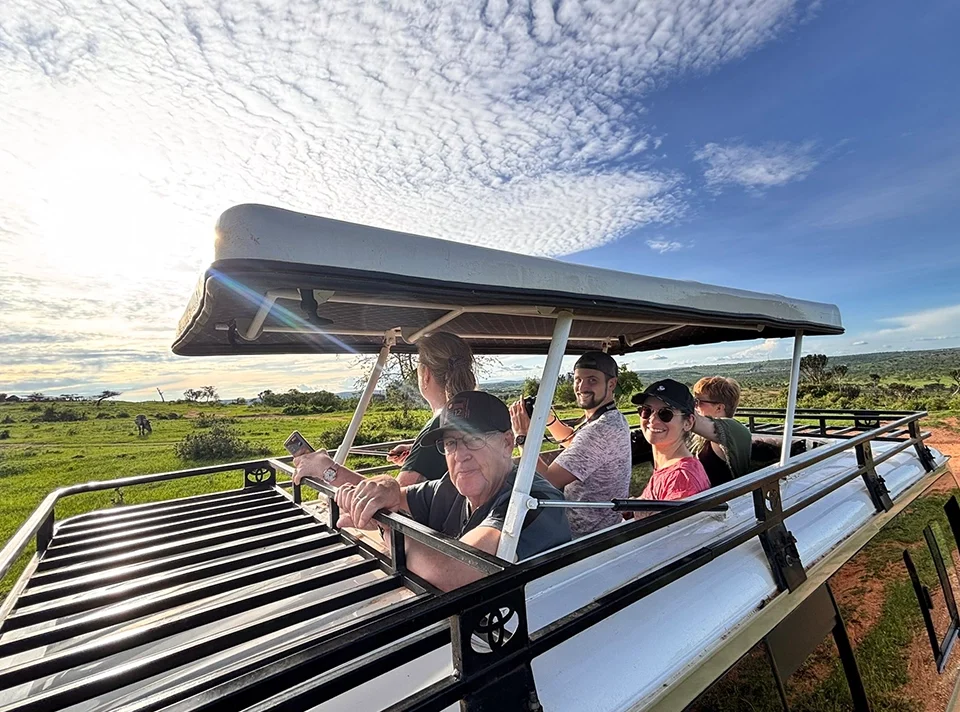
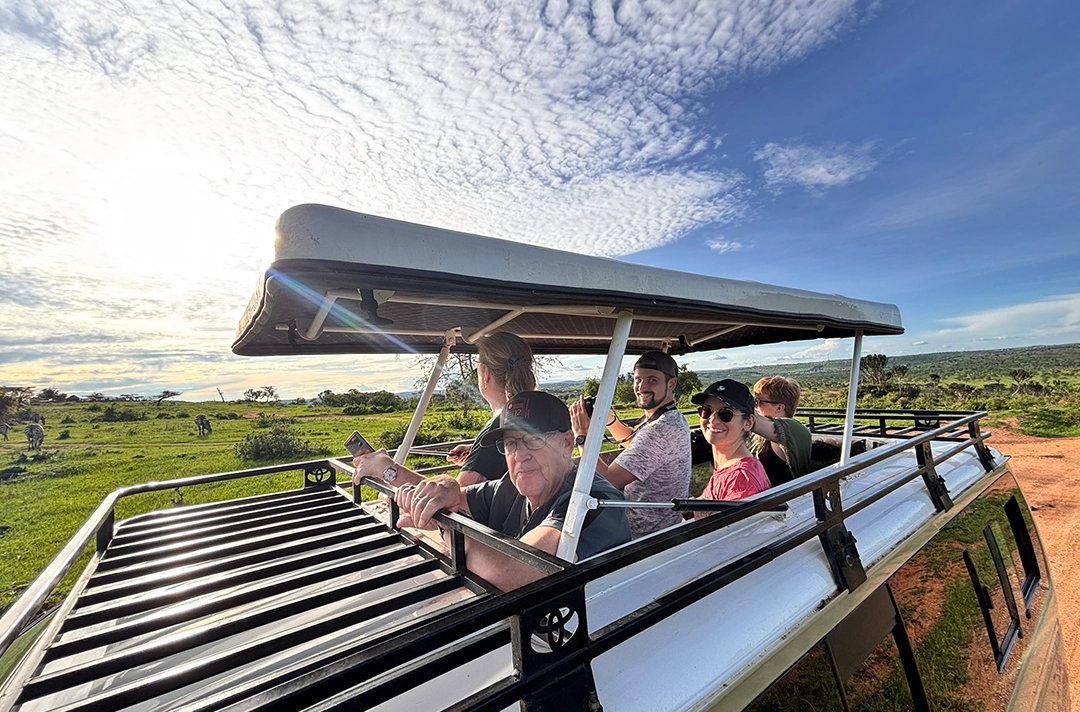
A gorilla trekking holiday can be extended to include some of Uganda’s other outstanding attractions. Queen Elizabeth National Park offers game drives and boat trips along the Kazinga Channel, while Kibale Forest is famous for chimpanzee tracking. Murchison Falls National Park combines wildlife viewing with Nile River excursions and impressive waterfall scenery.
Travellers who enjoy landscapes and cultural experiences can visit Lake Bunyonyi, explore communities around the trekking regions, or add other destinations according to their available time. Combining these activities creates a more comprehensive holiday, allowing you to discover Uganda’s wildlife, scenery, and cultural diversity beyond the gorilla encounter.
Travel Requirements for UK Citizens Visiting Uganda
Before departure, British travellers should check the latest Ugandan entry requirements through official government channels. Confirm whether you need a visa or electronic travel authorisation, and ensure your passport meets the current validity rules. If your itinerary includes Rwanda or another neighbouring country, check the entry requirements for every destination.
Yellow fever requirements may depend on current regulations, travel history, and transit arrangements. Consult official guidance and a qualified travel-health professional about vaccinations and malaria prevention well before departure. Comprehensive travel insurance is strongly recommended, including medical treatment, emergency evacuation, and trip interruption cover. Keep copies of your travel documents and confirm your flights, permits, and transfers before leaving the UK.
Frequently Asked Questions About Uganda Gorilla Trekking from the UK
How long does it take to travel from the UK to Uganda?
Journey times depend on your departure airport, airline, and route. Some flights operate directly, while others involve connections. Compare current schedules and allow sufficient time to rest before travelling to the gorilla trekking region.
How many days do I need for gorilla trekking in Uganda?
A three-day trip may be suitable for a focused gorilla trekking experience, depending on your arrival point and transport arrangements. Four to seven days allows more flexibility for cultural activities, scenic stops, or a wildlife safari.
How much does a gorilla trekking permit cost?
Uganda’s published standard permit rate for foreign non-residents has been US$800 per person. Always confirm the current price and booking conditions with the Uganda Wildlife Authority or an authorised provider before paying.
Is Uganda suitable for a first-time visitor from the UK?
Yes. Uganda can be an excellent introduction to East African wildlife travel. A reputable tour operator, reliable transport, suitable accommodation, and a realistic itinerary can help make the experience comfortable and rewarding.
Can I combine Uganda and Rwanda in one holiday?
Yes. A cross-border safari can combine gorilla trekking in Uganda or Rwanda with wildlife, cultural, and scenic experiences in both countries. Check the entry requirements for each destination and plan transport and permits carefully.
How far in advance should I book?
Book as early as possible if you have fixed travel dates, want specific accommodation, or plan to travel during school holidays and other busy periods. Confirming your gorilla permit early helps you organise the rest of your trip around the trekking date.
Plan Your Uganda Gorilla Trekking Holiday from the UK
A Uganda gorilla trekking holiday offers British travellers a rare opportunity to observe endangered mountain gorillas in their natural habitat while discovering the country’s spectacular rainforests, scenic landscapes, and rich cultural heritage. Whether you choose a short trekking trip or a longer safari combining primates and wildlife, careful preparation helps you make the most of your time in Uganda.
Start by selecting your preferred trekking destination, confirming permit availability, and choosing accommodation near your assigned sector. With the right arrangements, your holiday can become an unforgettable adventure filled with extraordinary wildlife encounters and meaningful travel experiences.
Ready to plan your Uganda gorilla trekking holiday from the UK? Contact our safari team to discuss your travel dates, permits, accommodation, and preferred activities. We can create a personalised Uganda safari that fits your schedule, budget, and interests.