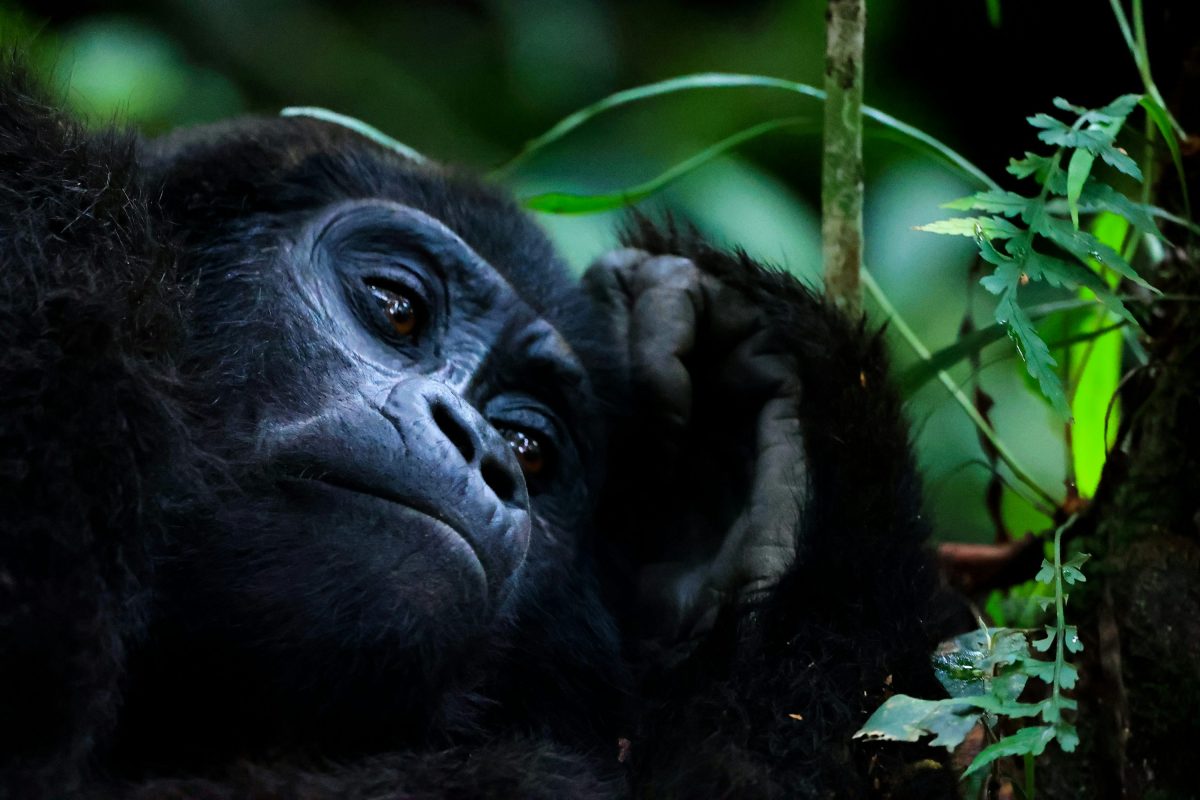
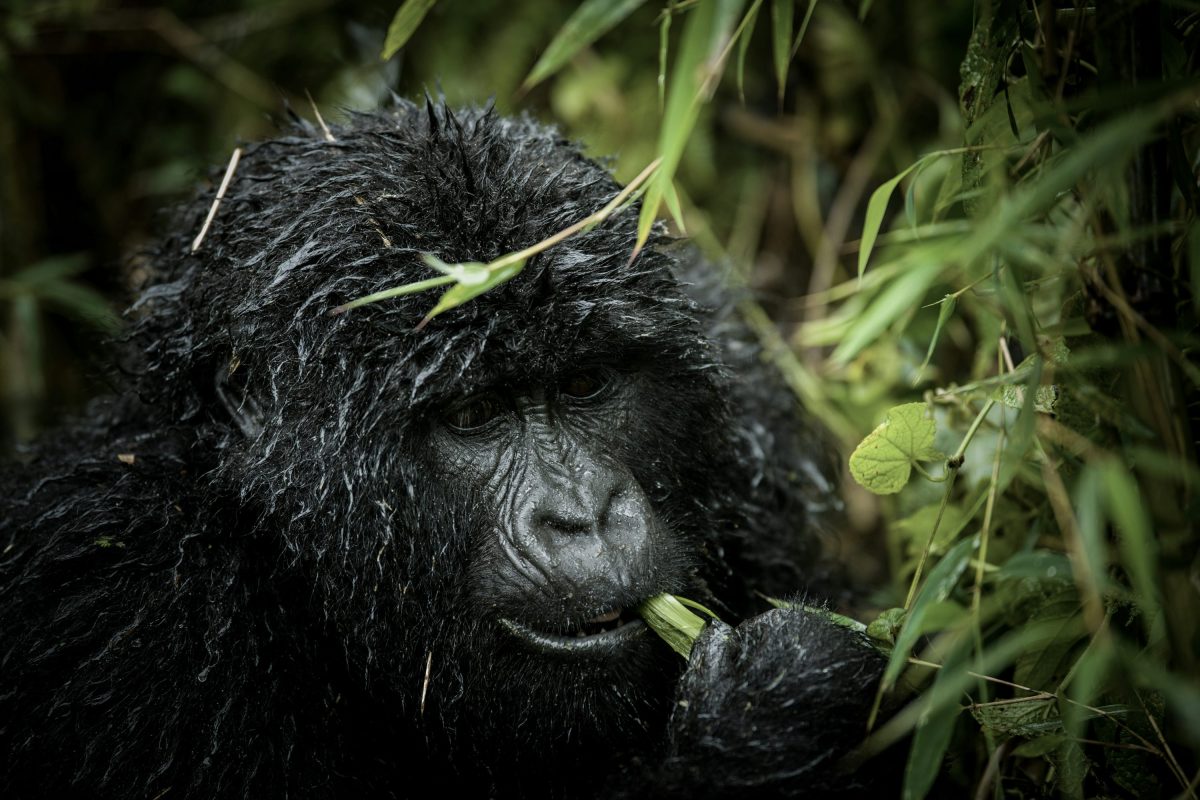
Gorilla trekking is one of the most extraordinary wildlife experiences in the world, but many travelers often wonder why is gorilla trekking so expensive. The cost can seem high at first glance, especially in destinations like Uganda, Rwanda, and Democratic Republic of the Congo, where mountain gorillas live in protected forests. However, there are important reasons behind the pricing.
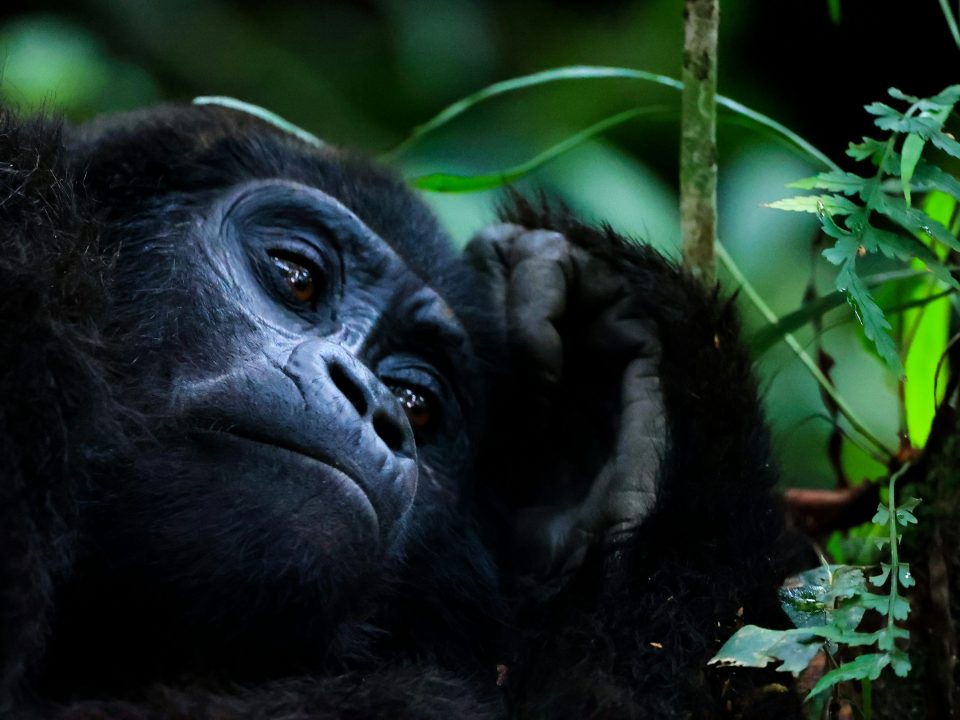
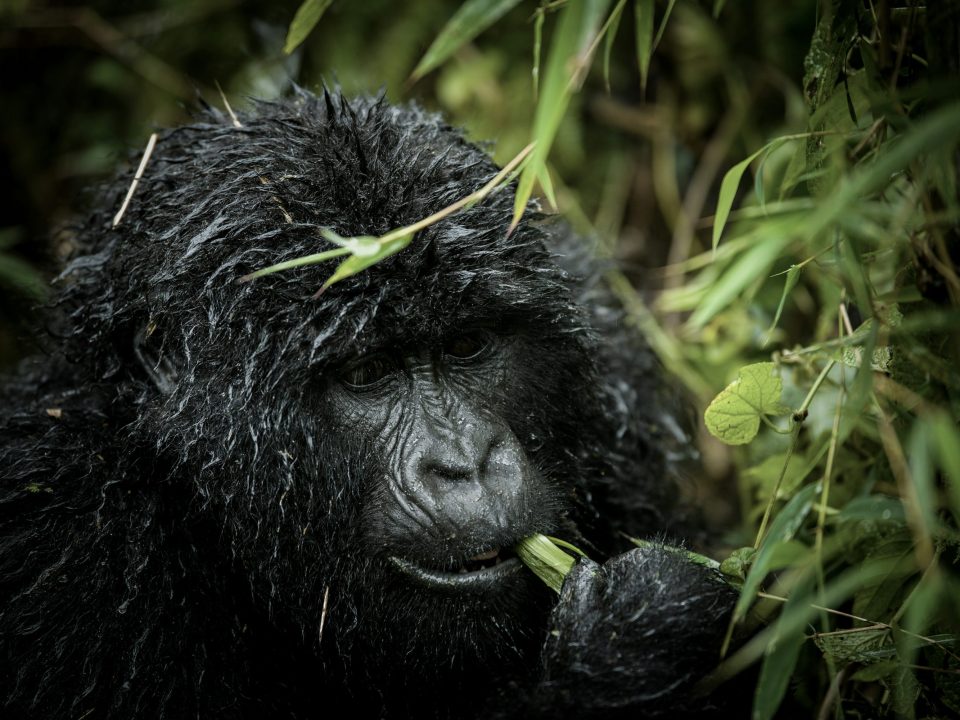
One major factor explaining why gorilla permits cost so much is conservation. Mountain gorillas are critically endangered, and their survival depends on strict protection programs. A large portion of the permit fee goes directly toward wildlife conservation, anti-poaching patrols, veterinary care, and habitat preservation. These conservation fees gorilla trekking programs ensure that gorillas continue to thrive in national parks such as Bwindi Impenetrable National Park and Volcanoes National Park.
Another key reason for the high gorilla trekking price is limited access. Only a small number of permits are issued each day to minimize human impact on gorilla families. With only eight visitors allowed per gorilla group per day, demand far exceeds supply. This exclusivity increases the value of each permit while protecting the animals from stress and disease.
Additionally, the cost supports local communities. Revenue from trekking helps fund schools, health centers, and community development projects around the parks. This creates a positive relationship between conservation authorities and local residents, reducing illegal activities like poaching.
When considering the reason for high gorilla trekking price, it’s important to see beyond the one-hour encounter. The fee covers expert guides, armed rangers, trackers, park management, and ongoing research efforts. Ultimately, the experience is not just about tourism — it’s about protecting one of the world’s most remarkable species for future generations.