Bwindi Impenetrable Forest National Park : A Jewel of Biodiversity in Uganda
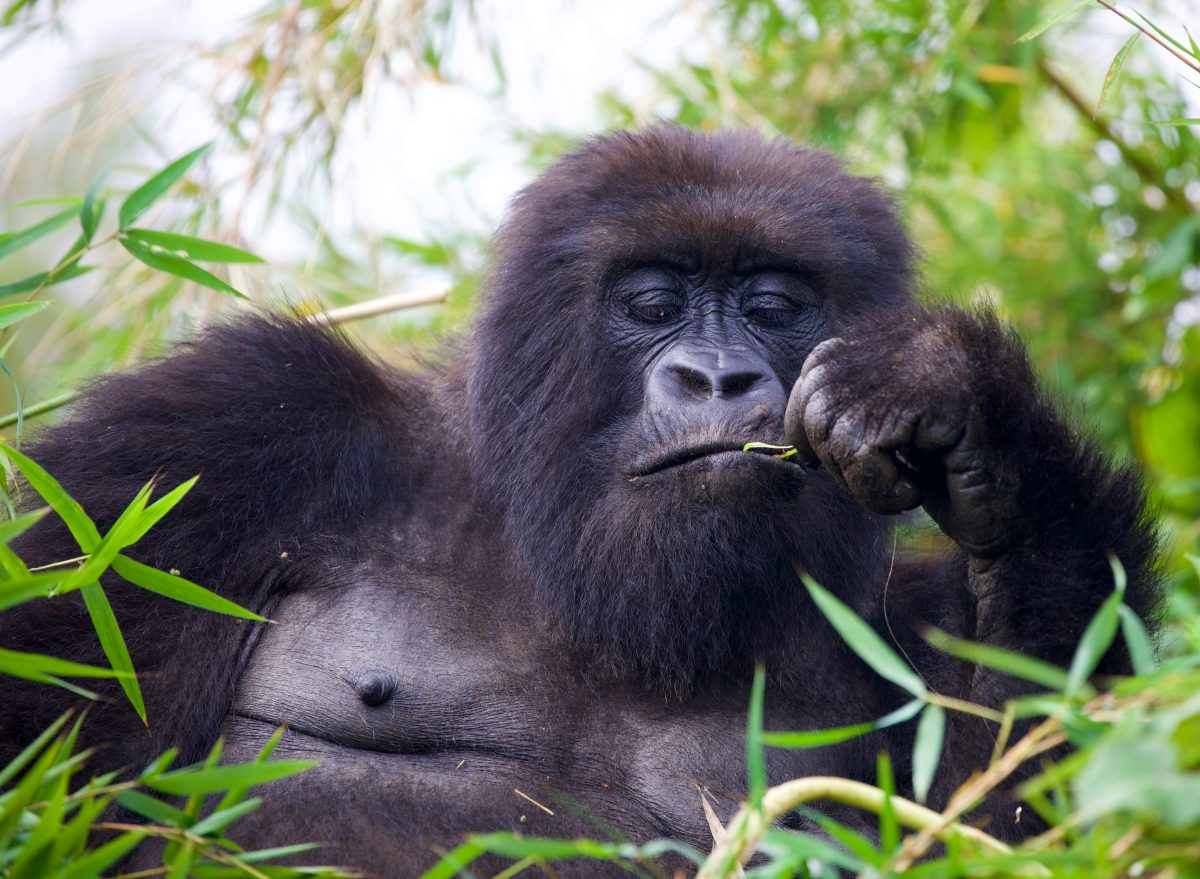
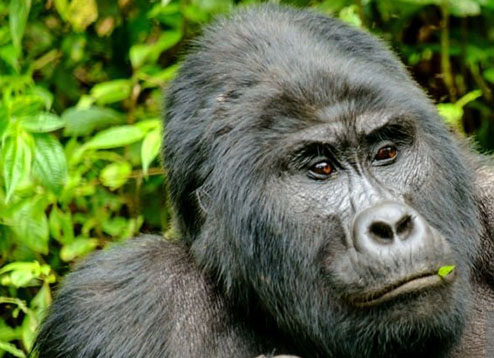
Tucked away in the southwestern corner of Uganda, Bwindi Impenetrable Forest National Park is a UNESCO World Heritage Site and one of Africa’s most biologically diverse rainforests. Spanning over 321 square kilometers of steep ridges, tangled undergrowth, and dense forest canopy, the park is home to a rich array of flora and fauna. But it is most renowned for its population of endangered mountain gorillas, which draw thousands of eco-tourists and researchers each year
The Sectors of Bwindi Impenetrable Forest National Park
Bwindi is divided into four main sectors, each offering a unique experience for visitors:
Buhoma Sector: Located in the northern part of the park, Buhoma is the most developed and popular sector. It was the first area to open for gorilla trekking in 1993 and hosts several habituated gorilla families. Its accessibility, variety of accommodation options, and community-based tourism initiatives make it ideal for first-time visitors.
Ruhija Sector: Situated in the eastern region, Ruhija is known for its high altitude and panoramic views. It is less crowded than Buhoma and offers a tranquil trekking experience. The sector is home to multiple gorilla families and is a hotspot for birdwatching.
Rushaga Sector: In the south, Rushaga boasts the highest number of habituated gorilla families. It is also the only sector offering gorilla habituation experiences, allowing tourists to spend extended time (up to four hours) with semi-habituated gorillas. The terrain here is challenging but rewarding, attracting adventurous travelers.
Nkuringo Sector: Adjacent to Rushaga, Nkuringo is the most physically demanding sector due to its steep slopes. However, it rewards trekkers with breathtaking views of the Virunga volcanoes and the Great Rift Valley. The Nkuringo gorilla group is one of the most frequently visited here
Wildlife in Bwindi Impenetrable Forest National Park
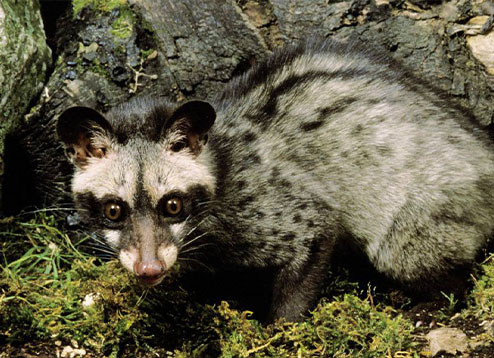
Although gorilla trekking is the park’s main attraction, Bwindi is teeming with diverse wildlife. The forest supports over 120 mammal species, including:
Forest elephants
Bush pigs
Duikers
Yellow-backed duikers
Giant forest hogs
Civets, genets, and African golden cats
Primates are particularly abundant. Besides mountain gorillas, you can encounter chimpanzees, L’Hoest’s monkeys, black-and-white colobus, red-tailed monkeys, and blue monkeys.
Birds of Bwindi Impenetrable Forest National Park
A Birder’s Paradise
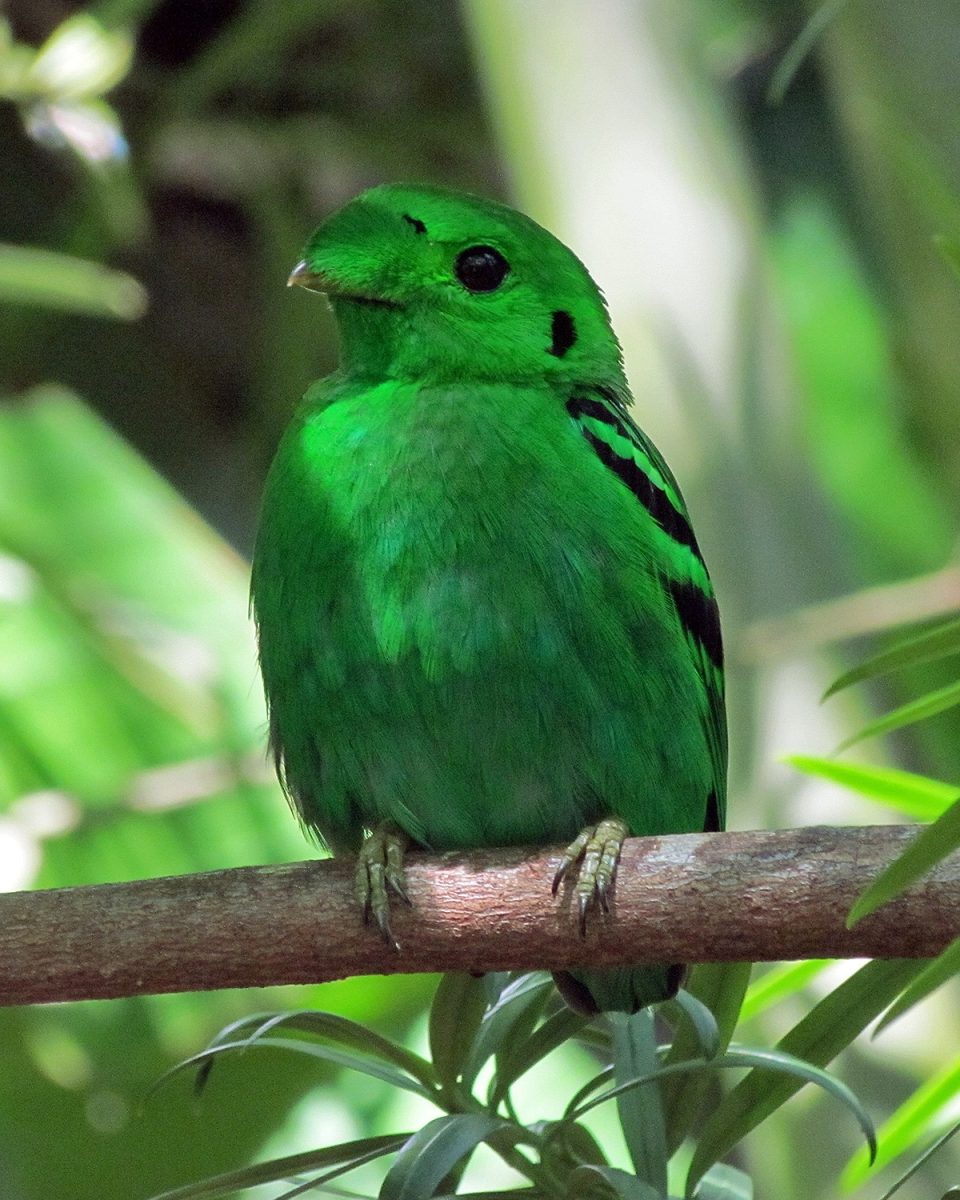
Bwindi is internationally recognized as one of the finest birding destinations in Africa. It hosts over 350 bird species, including 23 Albertine Rift endemics—species found nowhere else in the world. Some of the key species include:
African Green Broadbill
Grauer’s Rush Warbler
Shelley’s Crimsonwing
Handsome Francolin
Rwenzori Turaco
Dusky Crimsonwing
Birding is excellent throughout the park, especially in the Buhoma and Ruhija sectors. Guided bird walks offer enthusiasts a chance to observe both forest specialists and migratory species.
Butterflies and Other Invertebrates
Bwindi is also home to an impressive variety of invertebrates, particularly butterflies. More than 200 butterfly species flutter among the forest undergrowth, including rare and endemic species like the African giant swallowtail and Cream-banded swallowtail. These colorful insects play a vital role in the park’s ecosystem, contributing to pollination and serving as food for other animals.
Entomologists and nature lovers will also appreciate the myriad of moths, beetles, and other insects that thrive in the park’s lush environment.
Vegetation and Forest Structure
The park’s vegetation is primarily montane and lowland rainforest, dating back over 25,000 years. This ancient forest is one of the few in Africa to have survived the last Ice Age, making it a living museum of ecological history.
The flora includes:
Over 1,000 flowering plant species
104 species of ferns
163 tree species
Towering hardwoods like mahogany and ebony rise above dense tangles of vines, shrubs, and ground plants. The forest is also a source of traditional medicine, with many plants used by local communities for healing purposes.
Cultural and Community Highlights
Bwindi’s surrounding communities play a significant role in conservation and tourism. The Batwa pygmies, indigenous forest dwellers, offer cultural experiences that showcase their traditional way of life, including hunting, gathering, and storytelling. Visitors can participate in the Batwa Trail, a guided experience that provides insight into the Batwa’s symbiotic relationship with the forest.
Community-based organizations and local guides also offer nature walks, handicraft workshops, and village visits. Tourism revenue contributes to healthcare, education, and infrastructure projects, making travel to Bwindi not only enriching but impactful.
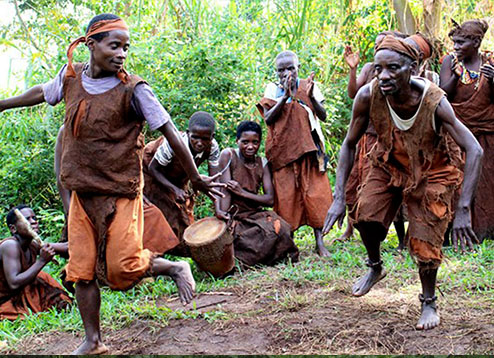
Bwindi’s surrounding communities play a significant role in conservation and tourism. The Batwa pygmies, indigenous forest dwellers, offer cultural experiences that showcase their traditional way of life, including hunting, gathering, and storytelling. Visitors can participate in the Batwa Trail, a guided experience that provides insight into the Batwa’s symbiotic relationship with the forest.
Community-based organizations and local guides also offer nature walks, handicraft workshops, and village visits. Tourism revenue contributes to healthcare, education, and infrastructure projects, making travel to Bwindi not only enriching but impactful.
Conservation Challenges and Efforts
Despite its ecological value, Bwindi faces conservation challenges, including habitat encroachment, human-wildlife conflict, and poaching. The Uganda Wildlife Authority (UWA), in collaboration with NGOs and international partners, implements measures to protect the park through:
Anti-poaching patrols
Community sensitization
Ecotourism initiatives
Research and monitoring programs
Tourism, especially gorilla trekking, has become a vital tool for conservation, generating funds that directly support park management and community development.
Visiting Bwindi Impenetrable Forest National Park
The best time to visit Bwindi is during the dry seasons: June to August and December to February. These months offer more favorable conditions for trekking and wildlife observation. However, the forest can be visited year-round.
Permits are required for gorilla trekking and are limited to reduce impact on the gorillas. Advance booking is essential due to high demand.
Bwindi Impenetrable Forest National Park is a testament to Uganda’s commitment to preserving its natural heritage. From its elusive mountain gorillas to its vibrant birdlife and ancient vegetation, Bwindi offers a once-in-a-lifetime encounter with one of the world’s most captivating ecosystems. Whether you’re a wildlife enthusiast, birder, botanist, or cultural explorer, Bwindi promises an unforgettable journey into the heart of the wild.