Gorilla Habituation Encounter in Bwindi Impenetrable Forest: A Comprehensive Guide
Bwindi Impenetrable National Park, located in southwestern Uganda, is one of the most biologically diverse areas in Africa and a UNESCO World Heritage Site. This lush tropical rainforest is home to nearly half of the world’s remaining mountain gorillas. While many visitors opt for the standard gorilla trekking experience, a more immersive alternative—Gorilla Habituation Experience (GHE)—offers a deeper understanding of these majestic primates and the ongoing conservation efforts.
What Is Gorilla Habituation?
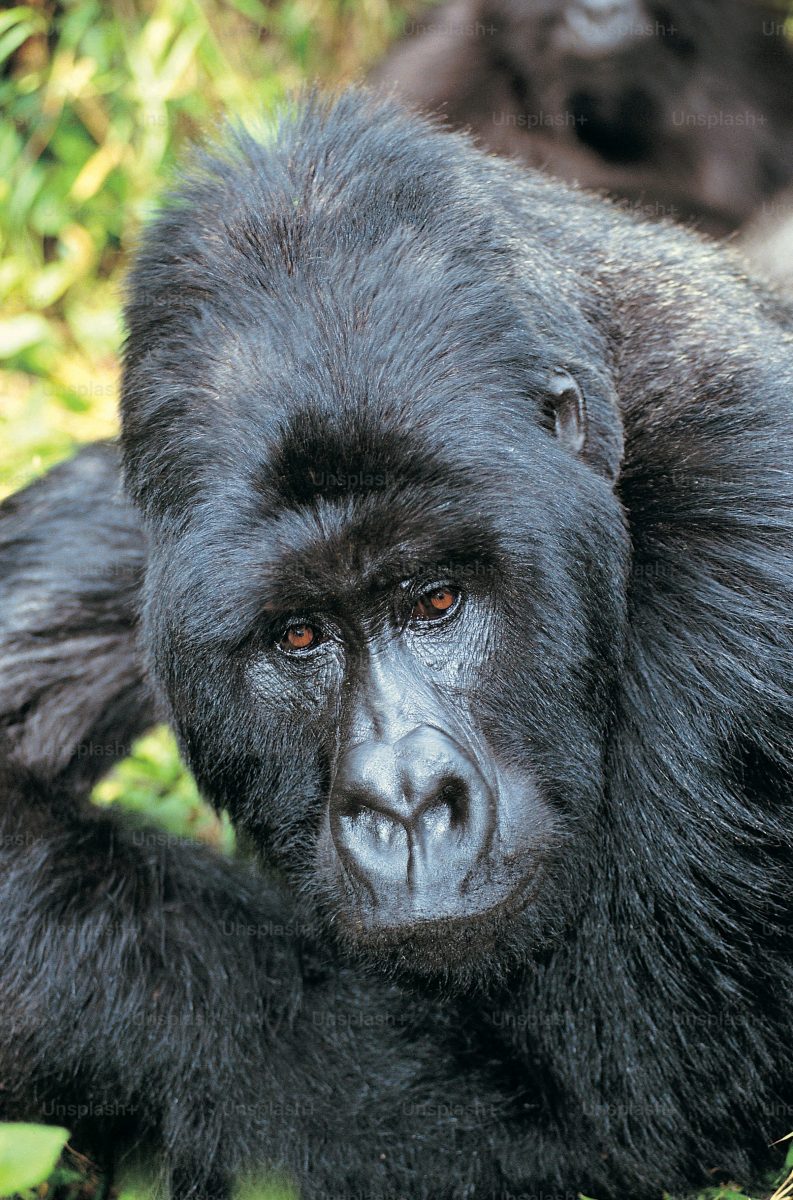
Gorilla habituation is the process of gradually acclimating wild mountain gorillas to human presence. This is done so that researchers, conservationists, and eventually tourists can observe these incredible animals without disturbing their natural behaviors. Unlike the standard gorilla trekking experience, which allows a group to spend one hour with a fully habituated gorilla family, the habituation experience gives participants up to four hours in the presence of a semi-habituated group.
The process of habituation is labor-intensive and can take 2 to 3 years for each gorilla family. It involves daily visits by researchers and trackers who use non-threatening behavior to build trust. Tourists who join a habituation experience contribute directly to conservation efforts by providing funding and by serving as an additional presence in the gradual desensitization process.
Where Is Gorilla Habituation Done?
In Uganda,Gorilla Habituation Experience, gorilla habituation is only conducted in the southern sector of Bwindi Impenetrable Forest, specifically in the Rushaga and Nkuringo sectors. These areas are accessible via road from major cities such as Kampala or Entebbe (about 8–10 hours’ drive) or by a short domestic flight to Kisoro followed by a transfer to the park.
Currently, there are a limited number of semi-habituated families available for the experience. One of the well-known groups is the Bikingi family in the Rushaga sector. Access to these groups is strictly controlled to minimize stress and ensure the safety of both gorillas and humans.
What Does the Experience Involve?
Participants in the Gorilla Habituation Experience should expect a physically demanding but highly rewarding day. The day typically begins early, with a briefing at the park headquarters around 6:30–7:00 AM. After meeting the guides and trackers, participants embark on a trek into the dense rainforest. Depending on the location of the gorillas, the trek can take anywhere from 2 to 5 hours round trip.
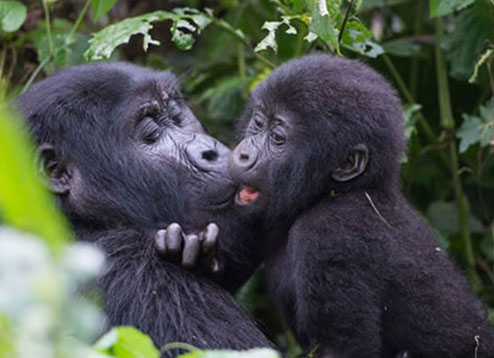
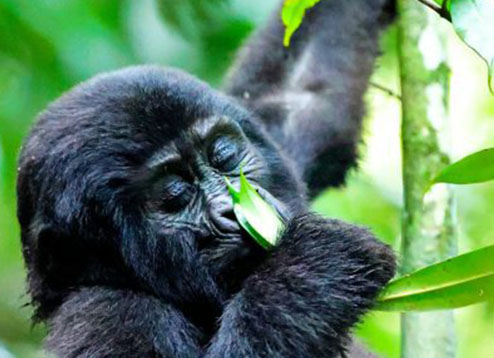
Once the group is located, participants spend up to four hours observing and interacting—silently and respectfully—with the gorillas. This extended period allows you to witness a range of behaviors, such as feeding, grooming, and nurturing of young. The trackers will also explain various aspects of gorilla behavior and the habituation process.
Unlike standard trekking, the habituation experience allows visitors to accompany researchers and conservationists as they conduct their daily monitoring tasks, offering a behind-the-scenes look at conservation science in action.
Cost of Gorilla Habituation Encounter
As of 2025, the Uganda Wildlife Authority (UWA) charges the following for the Gorilla Habituation Permit:
$1,500 per person per day (non-residents)
$1,000 for residents
UGX 750,000 for East African citizens
This fee includes park entry, the services of guides and trackers, and the four-hour experience. It does not include transportation, meals, lodging, or porter fees (which are recommended for assistance with bags or steep terrain).
Permits are limited to only four people per gorilla group per day, making early booking essential—especially during the dry seasons (June to August and December to February), which are considered the best times to visit
What You Need to Participate
To enjoy the gorilla habituation experience, visitors should be prepared both physically and logistically:
Physical Requirements:
Moderate to high fitness level: Treks involve steep, slippery, and densely forested terrain.
No contagious illnesses: Gorillas are highly susceptible to human diseases.
Gear and Essentials:
Waterproof hiking boots
Long trousers and long-sleeved shirts (to protect against insects and nettles)
Rain jacket (rainfall is frequent, even in the dry season)
Garden gloves (for gripping vines and protecting hands)
Reusable water bottle and snacks
Camera (no flash photography allowed)
Walking stick (often provided at the park)
Why Choose Habituation Over Standard Trekking?
While the price of habituation is higher, the rewards are equally greater. You’ll have four times more interaction time with the gorillas, an educational and immersive experience that few people in the world get to enjoy. It is ideal for wildlife photographers, researchers, or any passionate conservation-minded traveler who wants more than a fleeting encounter.
The Gorilla Habituation Encounter in Bwindi Impenetrable Forest offers a once-in-a-lifetime opportunity to connect deeply with one of the planet’s most endangered species. It’s not just an adventure, but also a meaningful contribution to the preservation of mountain gorillas. With limited slots and high demand, planning in advance is crucial—but the experience promises to be unforgettable